Earl Lee Johnson Jr Video and The Facebook Live Murder
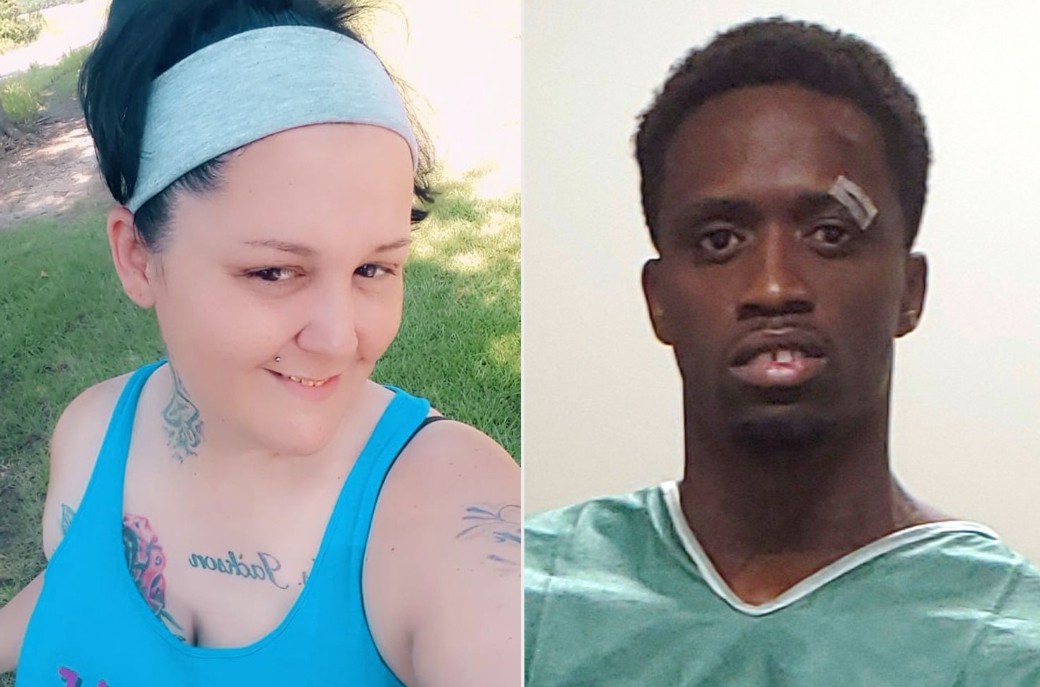
The murder of 34-year-old Baton Rouge resident Janice David is one of the most disturbing and widely discussed violent crimes in recent years. Not only because of its extreme brutality, but also because it unfolded publicly in a horrifying way: the attack was livestreamed on Facebook Live for nearly 15 minutes. The combination of graphic violence, digital visibility, and the tragic loss of a woman whose final moments were broadcast to the world created a case that stunned law enforcement, media, and the wider public. As details emerged from the Baton Rouge Police Department, the grim reality of what happened on that April evening captured national attention and raised urgent questions about social media responsibility, drug abuse, and the psychological decline that can fuel such acts.
Contents
- 1 The Victim and Video
- 2 A Timeline of Events Leading to the Killing
- 3 The Discovery of Janice David’s Body
- 4 The Facebook Live Broadcast: Violence in Real Time
- 5 How Authorities Learned of the Attack
- 6 Johnson Charged With First-Degree Murder
- 7 Public Reaction and Widespread Shock
- 8 Social Media in the Spotlight
- 9 A Tragic Ending and a Community in Mourning
The Victim and Video
While much about Janice David’s personal life remains private, what became clear is that she had spent several days in the company of 35-year-old Earl Lee Johnson Jr., the man later accused of killing her. Police investigators reported that the two had been on a three- or four-day drug binge, a period marked by instability, unpredictable behavior, and deteriorating mental states. These conditions likely played a significant role in the escalation of violence.
The uncensored video of Earl Lee Johnson Jr. and Janice David during the Facebook Live stream
As for Johnson, he was already known to local law enforcement. His background included encounters with police and a lifestyle that intersected with drugs, crime, and volatile behavior. The circumstances leading up to the murder point to a dangerous spiral that rapidly intensified in the hours before the attack. When authorities later arrested him following a car theft report, they could not have imagined that he had just committed a murder as brutal as any the city had seen.
A Timeline of Events Leading to the Killing
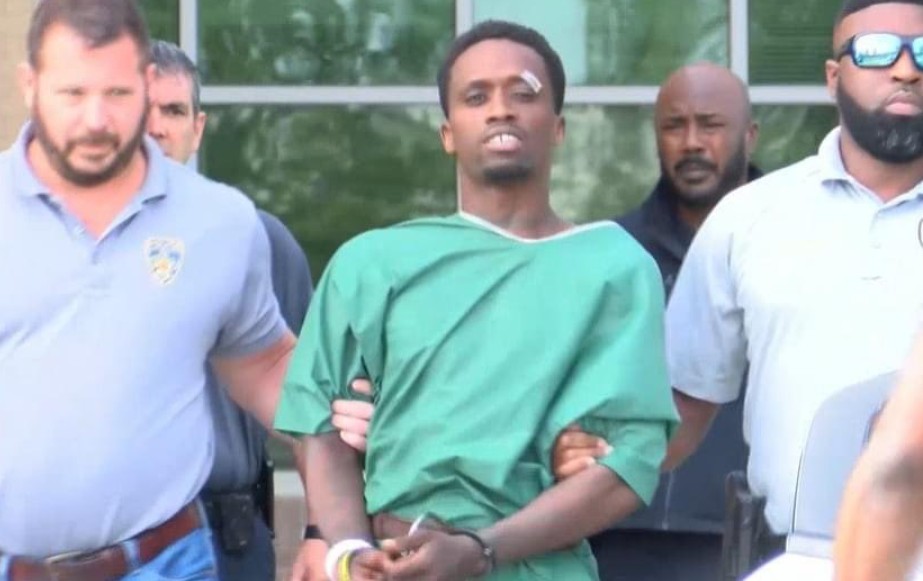
The violence did not begin with the broadcast. Earlier that Monday, a resident reported a stolen car. Police responded quickly, and before long, officers located the vehicle. The driver, identified as Earl Lee Johnson Jr., fled, triggering a short pursuit that ended with his arrest. At the time, police believed they were simply dealing with a car theft suspect. They had no idea that Johnson had already carried out a grisly murder or that he had streamed it to Facebook Live in real time.
For several hours, the full horror of the situation remained unknown. It was only after someone watching the Facebook Live broadcast notified the platform that everything changed. Facebook, following its protocols for violent content, alerted state authorities. This chain of communication led police to begin investigating the possibility that a murder had been captured online and that the killer might already be in custody.
The Discovery of Janice David’s Body
Late Monday night, officers located the car tied to the livestream footage in an office building’s parking lot. What they discovered inside shocked even experienced investigators.

Janice David’s body was found tied to the steering wheel, her hands bound tightly. Evidence suggested that someone had attempted to set the car on fire, possibly in an effort to destroy the body or eliminate evidence. The attack was clearly not impulsive; it was a sustained, deliberate act of violence.
Police confirmed that the victim had been beaten, choked, and repeatedly stabbed. The brutality was extreme, and the sheer sadism of the method restraining her to the steering wheel, stripping her, and subjecting her to prolonged torture pointed to a deeply disturbed state of mind in the killer.
As officers processed the scene, they began connecting the details to the Facebook Live video that had been reported earlier. It became evident that the woman in the livestream was the same woman now found dead in the car: Janice David.
The Facebook Live Broadcast: Violence in Real Time
Perhaps the most unsettling aspect of the crime was that it unfolded publicly. For nearly 15 minutes, the attack streamed unfiltered on Facebook Live, allowing viewers to witness the murder as it happened. According to police, it was “gruesome,” “merciless,” and “disturbing beyond words.”
Although only a limited number of people viewed the video before Facebook removed it, the fact that anyone could witness such violence in real time sparked a national conversation. The livestream showed:
Johnson attacking and stabbing David
The victim tied and unable to defend herself
The escalating brutality as the attack continued
Johnson’s unstable behavior as he carried out the assault
The footage was so graphic that even seasoned investigators struggled with it. What bothered many even more was the role of social media: that a platform designed for connection and self-expression could become a window into real-time murder.
How Authorities Learned of the Attack
According to Sgt. L’Jean McKneely Jr., the sequence of events unfolded quickly once the video was reported:
A viewer who saw the livestream contacted Facebook.
Facebook’s moderation team reviewed and confirmed it was real violence.
Facebook alerted state police.
State police coordinated with Baton Rouge officers.
Investigators identified the vehicle and located the crime scene.
Remarkably, Johnson was already in custody when police realized what he had done. The stolen car arrest had unintentionally placed him behind bars before authorities even found the victim’s body.
Johnson Charged With First-Degree Murder
As evidence emerged connecting Johnson to both the livestream and the crime scene, police charged him with first-degree murder. Officials noted that the combination of premeditation, extreme brutality, and the act of broadcasting the murder publicly made the case particularly severe.
In press conferences, Baton Rouge police emphasized that the killing was not random. The prolonged violence, the attempt to burn the vehicle, and the effort to stream the attack all pointed to a calculated and deeply malicious act. Prosecutors indicated that Johnson could face the harshest penalties available under Louisiana law.
Public Reaction and Widespread Shock
The Baton Rouge community expressed horror and sadness over the circumstances of Janice David’s death. Candlelight vigils, online memorial posts, and statements from local officials highlighted the tragedy of a life lost in such a horrifying manner. Many people found it difficult to comprehend how someone could carry out such an act let alone broadcast it for others to see.
The crime also renewed conversations about mental health, drug addiction, and the risk of violent behavior during extended drug binges. Community leaders urged stronger support systems for individuals trapped in cycles of addiction and instability.
Social Media in the Spotlight
The case reignited national concern over how social media platforms handle violence. Facebook Live has faced criticism in the past for its inability to immediately detect livestreamed crimes or self-harm. The Janice David murder added new urgency to conversations about:
Real-time monitoring of violent content
Delays in platform response
The ethical responsibility of tech companies
The psychological impact on viewers who unintentionally witness crimes
While Facebook responded appropriately once notified, critics argue that platforms must do more to prevent violent acts from spreading online.
A Tragic Ending and a Community in Mourning
The murder of Janice David serves as a chilling reminder of how quickly drug-fueled instability and violent tendencies can escalate into lethal actions. It also underscores the dark side of real-time digital communication: the possibility that crimes can be broadcast live to a global audience.
As Baton Rouge continues to process the trauma of this horrific event, the legal system will determine Earl Lee Johnson Jr.’s fate. For now, what remains is a story of a woman whose final moments were marked by unimaginable violence and a community determined to honor her memory despite the brutality of her death.
Daily News -Tom Garratt Video and Understanding the Incident
Nainai Jumping Video and The Tragic Case
Masjid Bandar Lampung Full Video No Nlur and The Assault
Maddie Kowalski Video and The UF Florida Student at Eiffel Tower
Yera Shower Video and the Debate on Privacy Online
Zaida Catalan Video and The Congo Controversy
Ghost Rider Cartel Video and The Global Reaction